Bruce Dekker from ProTrain outlines the case for taking a threat-based approach to urban pest management.
Professional pest control requires significantly more than just a ‘spray and pray’ mentality. At ProTrain we encourage a very different mindset in our students – an approach which is best described as threat-based pest management.
In today’s urban pest management landscape, the role of the pest manager is far more complex than simply eliminating or eradicating pests. At its core, our profession is about identifying and managing threats — threats that can jeopardise human health, disrupt business continuity, damage property, and undermine a client’s confidence in their environment. These threats can be overt, hidden, or even introduced through our own practices.
The initiation of a pest control service is generally through a customer-identified threat. When a client contacts a pest management business, they are often responding to a specific pest issue they perceive as a threat to their family, home or business, such as a rodent sighting in a food preparation area, termite damage in a timber-framed home, or cockroach activity in a childcare centre. Their concern is immediate, and their expectation is that we will provide a professional response that addresses both the symptoms and the cause.
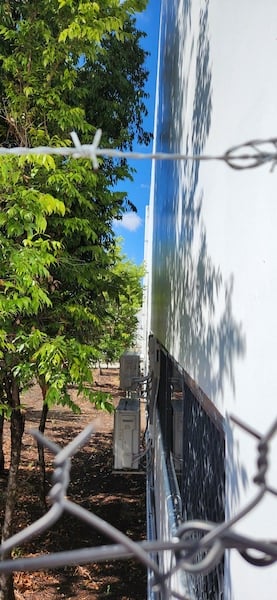
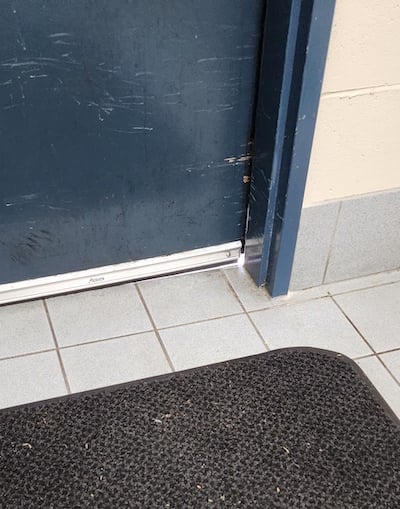
In responding to the customer-identified threat, it is important that the pest technician identifies the causes of the pest infestation and the potential threats that could lead to future pest problems. These may include conducive conditions such as incorrect lighting, poor sanitation, poor facility maintenance, unsealed structural voids, incorrect food storage practices or moisture ingress that can quickly attract pest infestations.

It is also extremely important to focus on the threats the customer might face through their own inaction about the pest problem. What might happen to that customer if they choose to do nothing about the pest issue?
Or if they fail to address the conducive conditions or take charge of the poor building maintenance? Cafes, hotels or restaurants would be at risk of losing customers, for example, while a food/beverage manufacturing facility could lose a valuable client or have orders rejected. Health risks may be posed to staff, clients or visitors at a care facility or hospital, and a food service business could be shut down by authorities. In the case of rodents, in particular, sensitive electrical equipment could be damaged leading to significantly greater risks.
These threats can easily become reality if the customer chooses not to follow the pest manager’s recommendations.
It is vitally important for pest managers to ensure they have a good understanding of their clients’ facilities and operations and think about the bigger picture and the consequential threats of a pest problem on their customer. These consequential threats include the health risks resulting from pest infestations, potential property and asset damage, the potential for business interruption, reputational harm to the business and the possibility of regulatory non-compliance or legal exposure. Considering these consequential threats can impact the recommended treatment and pest management programs. Not only does this help ensure that a higher level of service is delivered but helps build your reputation and can be very useful in selling your services.
In carrying out a pest service, it is also important to consider the threats the pest manager may pose to the customer. The main threats would be around insecticide application, such as misuse or overuse of insecticides, the use of inappropriate equipment, or inadequate communication about safety precautions or re-entry periods. Poor documentation can present a potential threat to the customer and the pest manager.
To mitigate all of these threats, pest managers must adopt a structured, consultative approach, taking the following steps.
Consultation: Start by understanding the client’s concerns, business operations, risk profile, and goals. This conversation shapes the direction of your inspection and sets expectations.
Inspection and assessment: A thorough inspection is the cornerstone of effective threat-based pest management. Identify pest activity, conducive conditions, structural vulnerabilities, and hygiene practices. Evaluate the significance of each finding in terms of risk.
Review findings: Share the findings clearly and honestly with the customer. Align with the client on what the threats are, what consequences they pose, and what actions are required to manage them.
Develop a treatment plan: Design a pest management plan that is site-specific, compliant, and sensitive to client operations. Define treatment types, safety controls, application timing, and any necessary client actions.
Treatment and delivery: Implement the plan with professionalism and care. Ensure all work is recorded and communicated.
Client education: Explain what’s been done, what to expect next, and how they can help to achieve a successful outcome (e.g. exclusion methods, hygiene improvements, access considerations).
Monitoring and follow-up: Establish a schedule for monitoring and adjustment. Whether through remote monitoring technology or on-site visits, pest management should be viewed as an ongoing threat reduction strategy.
Ultimately, our responsibility as pest managers is not just to eliminate pests, but to manage the broader risks they pose to people, property, and processes, and to do so without introducing new threats ourselves. The threat-based pest management mindset encourages a structured, proactive, and collaborative approach that reflects true professionalism in our industry.
By embedding strong inspection, assessment, and communication practices into every job, whether domestic, commercial, or industrial, we build long-term trust with our clients and elevate the reputation of the pest management industry across Australia and New Zealand.
Bruce Dekker, Trainer/Assessor/Auditor, ProTrain