Protrain offers pest management training that’s designed to equip learners with valuable hands-on skills as well as classroom theory.
Face-to-face training, both in the classroom and on the job, is undoubtedly the most effective method of learning. However, it is not always the best fit for everyone. For many, there are limitations that make face-to-face classroom training challenging, such as the need for travel away from home and associated accommodation costs. There’s also the issue for employers of taking someone out of the field for an extended period of time, reducing their earning capacity.
Whilst the convenience of remote study is undeniable, it is crucial to recognise the role that workplace mentoring and on-the-job training play in shaping a skilled, competent and professional workforce.
Hands-on learning
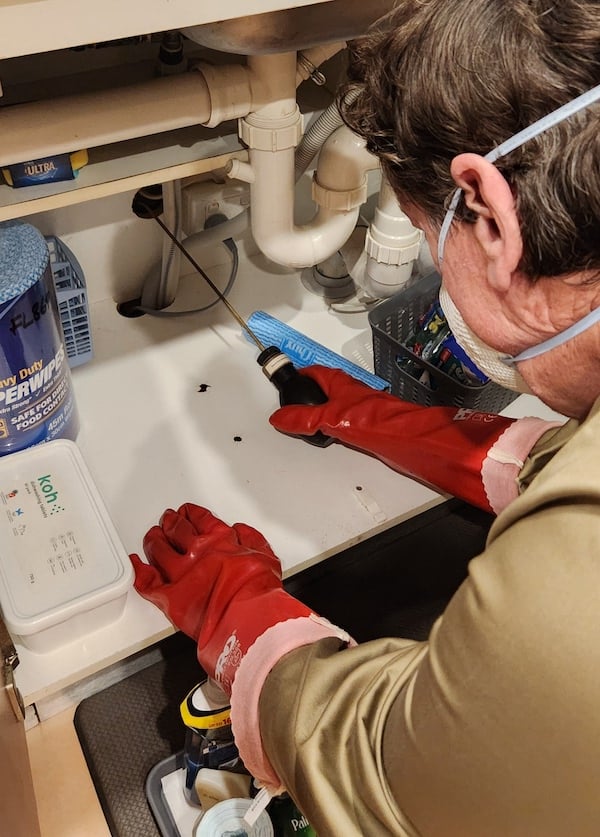
Pest management, particularly when it comes to non-timber and timber pests, demands a blend of theoretical knowledge and practical expertise. Online studying equips trainees with the essential knowledge, from pest identification and control methods to industry-specific regulations. Yet knowledge alone does not make a successful pest management technician. The hands-on skills developed through workplace mentoring and supervised training are critical to ensuring that new technicians are prepared for the challenges they will face in the field.
In fact, the National Centre for Vocational and Educational Research (NCVER) has determined that trainees seeking to complete CPPUPM3005, CPPUPM3006 and CPPUPM3018 (the Australian and New Zealand entry level units of competency) should complete at least 190 hours of combined learning during their training and assessment process.
A balanced approach
For employers, fostering a supportive training environment is key to ensuring the success of their trainees, which means providing sufficient time and resources for online study alongside a structured mentoring system. By blending these two aspects – remote study and workplace mentoring – trainees gain the best of both worlds: the flexibility of online education and the guidance of experienced professionals.
ProTrain stands at the forefront of this balanced approach to training. With decades of combined experience in the pest management industry, ProTrain offers Cert III and Cert IV units of competency including, but not limited to, general pest management, timber pest management, pre-construction, sensitive/complex sites, and fumigation, using a combination of online learning and supervised fieldwork.
ProTrain’s online courses are designed to be both engaging and informative, equipping trainees with the practical knowledge needed to perform confidently and competently. ProTrain’s trainers offer personalised guidance, answer questions, provide feedback, and ensure that each trainee is progressing effectively. Employers benefit from regular updates on their trainees’ progress and can rely on ProTrain to provide advice on how to best support the learning journey.
Supervised fieldwork for assessment purposes
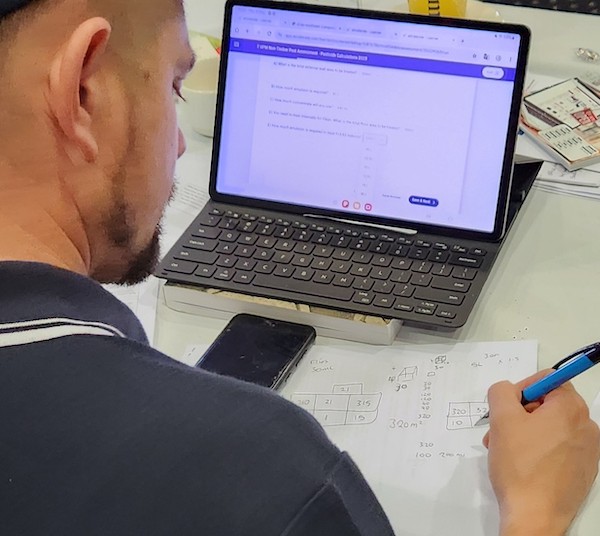
Trainees who are not able to complete on-the-job training under the supervision of a qualified and licensed supervisor are not able to fulfil the requirements of their training program, which is why ProTrain offers supervised fieldwork as part of the training process.
Online learners or remote students are presented with three options for their final workplace practical assessment:
- Option one is a live workplace practical assessment interview carried out using a meeting platform such as Zoom. In this instance, the trainee is assessed in their workplace by a ProTrain assessor. A live practical assessment allows interaction between the trainee and their assessor and provides the opportunity for clarification, additional questioning or practical task requirements.
- Option two is a live face-to-face assessment and interview with a ProTrain assessor at the ProTrain facility.
- Option three (which incurs additional fees) involves a ProTrain assessor travelling to the trainee’s workplace or an agreed job site to carry out the assessment and interview.
No trainee can complete a ProTrain course without having either face-to-face contact or practical assessment using live media. Final workplace assessments cannot be made by recording and submitting videos as this is not an effective method of determining a trainee’s knowledge and performance abilities.
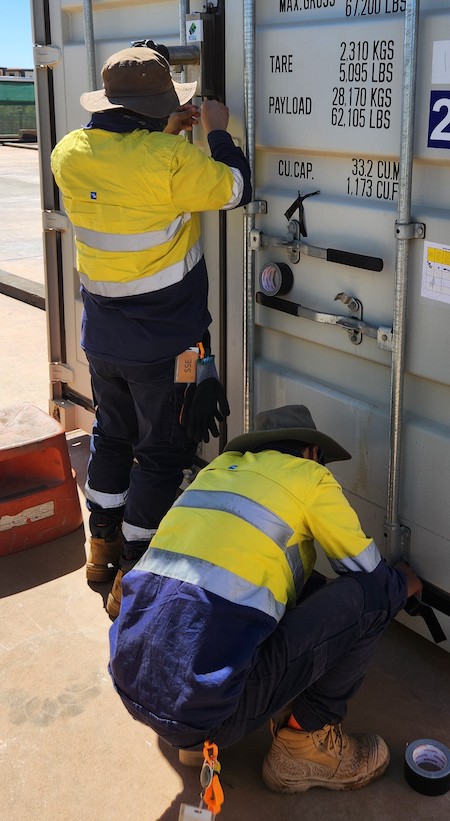
The very best learning experience
ProTrain’s trainers are dedicated to ensuring that trainees and employers are well supported throughout the entire licensing process, providing comprehensive mentoring to ensure that trainees have the ability to fully comprehend and apply their knowledge in real-world scenarios.
As well as online courses and supervised fieldwork, ProTrain offers group training programs on site at pest management businesses. The team also holds regular face-to-face workshops in Maroochydore, Acacia Ridge, Townsville and Auckland.
Pest business owners looking for comprehensive training opportunities for their staff can contact ProTrain to learn about how their programs may suit their needs.