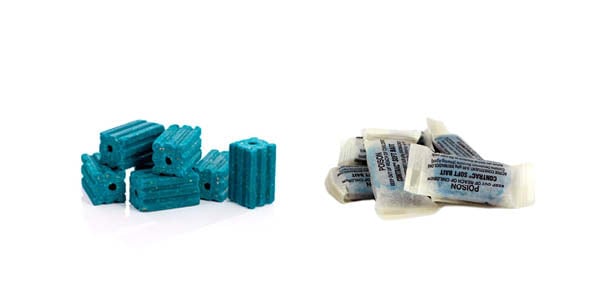
Blocks or Soft Baits: Which Should You Be Using?
Samuel Wood of Bell Laboratories explains when and where to use block and soft rodenticide baits.

Samuel Wood of Bell Laboratories explains when and where to use block and soft rodenticide baits.
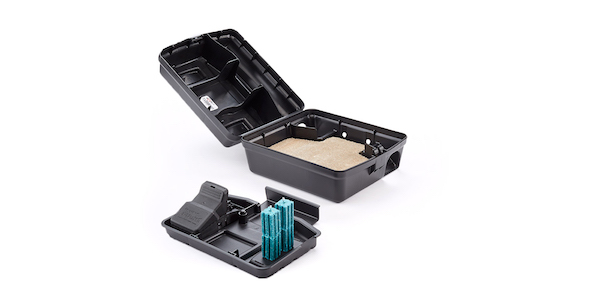
A look at the latest types of rodent monitoring devices on the market, with some helpful advice for those thinking of venturing into this area.

Weep holes are an entry point for many pests including mice, spiders, cockroaches, wasps and bees. In addition, protecting weep holes from ember attack is a requirement for new constructions in bushfire prone areas. Learn more about the Protector Weep Hole Protector screen and how it can provide pest and bushfire protection for homeowners.

A new smart rodent-monitoring system has entered the Australian market, in the form of Rodenthor IPM Square from Ensystex.

Formed in a smaller block size than other baits, Generation Block from Liphatech allows pest managers to make more bait placements per bucket.

Bell Labs’ range of baits and secure stations suit any rodent job pest managers may encounter.

Secondary poisoning is an unfortunate side-effect from the use of rodenticide baits. But just how big a problem is it?
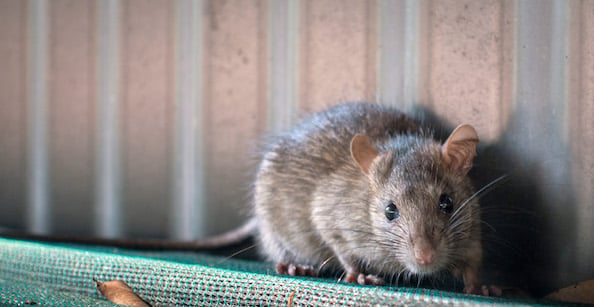
Jay Turner recounts some of his most memorable rodent jobs, the ones that put his pest management knowledge to the test.

The humble rodent trap has become increasingly sophisticated in recent years, with Bell Labs leading the way, according to Bell’s ANZ representative Samuel Wood.

Do you know the safest way to clean up after a rodent infestation? Andy Knox from Bell Laboratories provides some helpful tips.

The Ratsense digital surveillance system records real-time rodent activity, taking the guesswork out of rodent management – which leads to both time and cost savings for pest managers.

After seven long and challenging years, the world’s largest and most ambitious rodent eradication has been declared an international success. (Main photo credit: Tony Martin)