
BROADLEAF WEEDS IN TURF
Knowing how to keep grass free of broadleaf weeds is a key aspect of lawn care.

Pest managers also get involved in dealing with lawn pests, especially ants, lawn grubs and caterpillars, and sometimes deal with plant pests. Some companies take this further and provide combined pest, weed and lawn care services. We have a range of articles focusing on lawncare, lawn and garden insect pests and weed.
Before dealing with any pests or weeds in lawns it is important to understand what type of grass you have in your lawn (as this can impact potential treatments) and also understand the basics of turf care.
The main insect pests in lawns include various species of ants, which includes biting ants in lawns, such as the green-head ant and tyrants ants, and other lawn ants, such as the infamous funnel ant.
The other pests that concern lawn care enthusiasts are the various caterpillars pests in lawns (moth larvae) and curl grubs (beetle larvae). If you’re not sure what’s eating your lawn check out our article on lawn caterpillars, worms and grubs.
Homeowners may suffer from mole cricket problems and sometimes can suffer from a “lawn prawn” infestation which can extend from the gardens to inside the house.
Not an insect and difficult to see, the couch mite can cause problems in lawns, causing the plants to develop the witches broom appearance.
There are of course a wide range of pest that attack plants. We’re starting to build our library of articles, but here is some useful information on mealybugs, stink bugs, passionvine hoppers, sawflies and spitfires, fall armyworm and cluster caterpillars. We also have a great article which covers the main types of caterpillars on plants.
Learn more about which insects produce honeydew and how it can increase ant problems.
There are a range of other pests that can appear in gardens (and sometime invade homes), that aren’t really a concern from a gardening point of view, but still cause concern for the gardener and homeowner. These include the lawn prawn (amphipod), assassin bugs, rove beetles and seed bugs.
Weeds in lawns are an ongoing issue for home gardeners. Correct identification of the weed is important to determine the best treatment, knowing whether it is a summer annual weed, broadleaf weed or grassy weed is a good start. However, know information on specific weeds is also important, such as bindi and fleabane.
More information on lawn care.

Knowing how to keep grass free of broadleaf weeds is a key aspect of lawn care.

So-called ‘curl grubs’ can wreak havoc with a well maintained lawn, leading to unsightly damage that requires professional attention in order to be rectified.

They’re common, and widespread, and some species may be up to 15cm long – but some of these moths have never been seen as an adult, because they never leave their protective case. Would you be able to recognise a case moth?

An ever-present weed, learning to tackle bindii is a great starting point for pest managers looking to enter the lawn care industry.

Professional Pest Manager is offering readers an opportunity to upskill in a new and potentially lucrative area of business: lawn care.
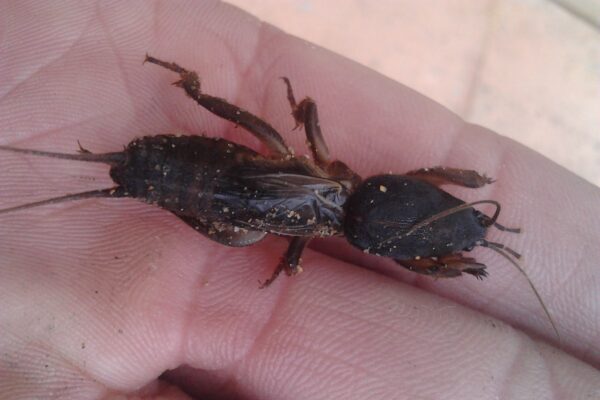
These nocturnal insects have a head like a prawn and feet like a mole, are as long as your finger and their song is as loud as a rock concert or leaf blower. Would you be able to identify a mole cricket?
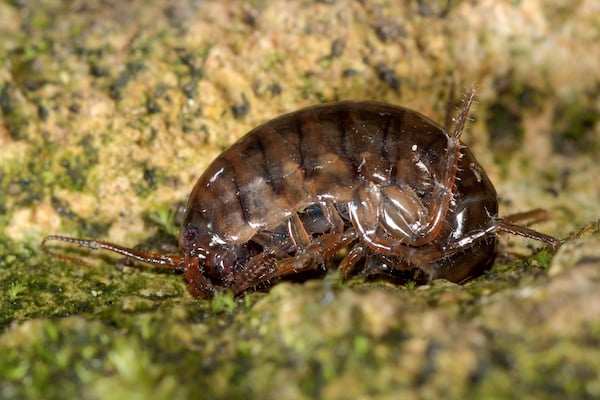
These land-dwelling crustaceans are most often seen when they’re red, pink, and dead. Would you be able to identify a lawn prawn?
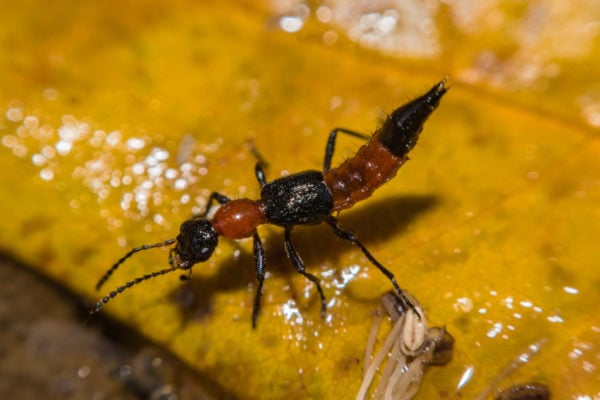
Most pest managers will know the pests with the nasty bites and stings, but if there’s one insect you want to avoid swatting, this could be it! Would you be able to identify a rove beetle?

Every now and then pest managers have to deal with a pest infestation in customers’ gardens. One of the more common of these infrequent invaders is the red and black seed bug. Would you be able to identify and red and black seed bug?