
TERMITES – STRUCTURAL ENGINEERS AND WATER MANAGERS
Australian termite researchers have investigated how termites’ clay-building behaviour is determined by their assessment of the environment around them.

Australian termite researchers have investigated how termites’ clay-building behaviour is determined by their assessment of the environment around them.

This edition of Active Insight delves deep into termite biology and answers a question posed by many pest managers.
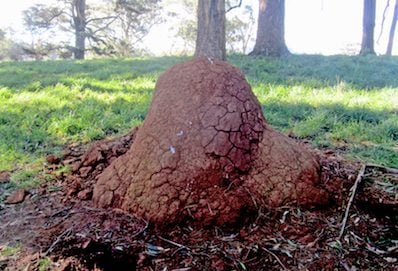
Researchers have gained insight into the mysteries of termite mound-building behaviour in Coptotermes.
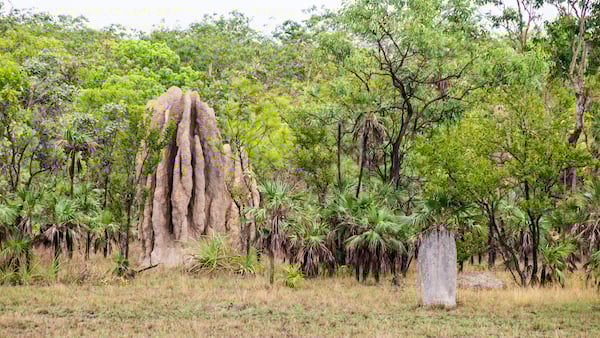
Termites make impressive mounds, some several metres above ground. How do they do it?
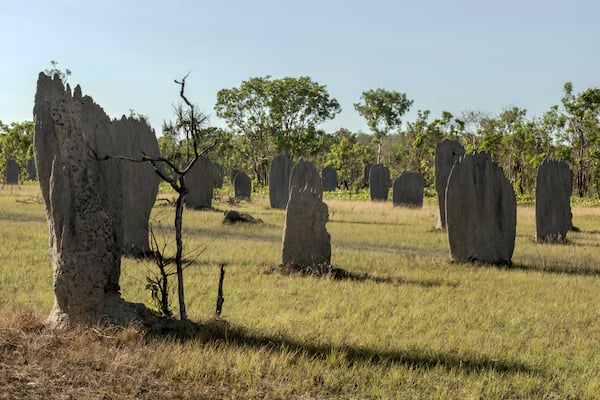
Here we reveal the answers to the termite mound identification competition we ran in the Dec/Jan 2019 issue of the magazine.
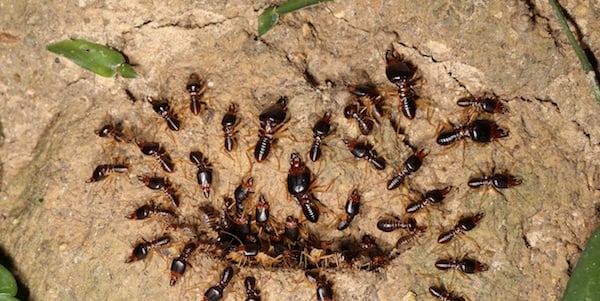
An international team of researchers has investigated how termite activity changes during times of drought – and the results are surprising.
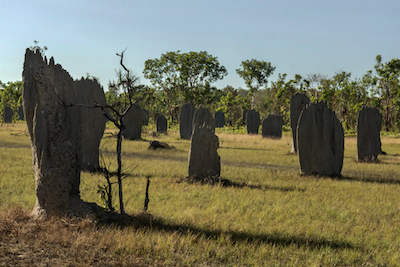
Would you be able to identify the nest mounds of these Australian termite species?

A study examining termite damage to plastic cabling reveals some surprising findings.
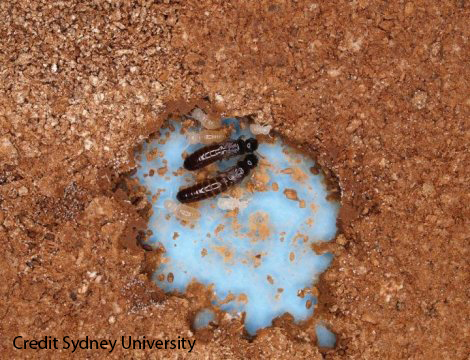
Termite colonies have always been assumed to be a mix of males and females; not only reproductives but also workers and soldiers of both sexes. Researchers have found colonies of a drywood termite in Japan that have thrived and survived for millions of years, without males! Image credit Sydney University: All-female (asexual) colony of the drywood termite (Glyptotermes nakajimal)
New research has revealed the part evolution has played in the development of the complex and fascinating termite gut.
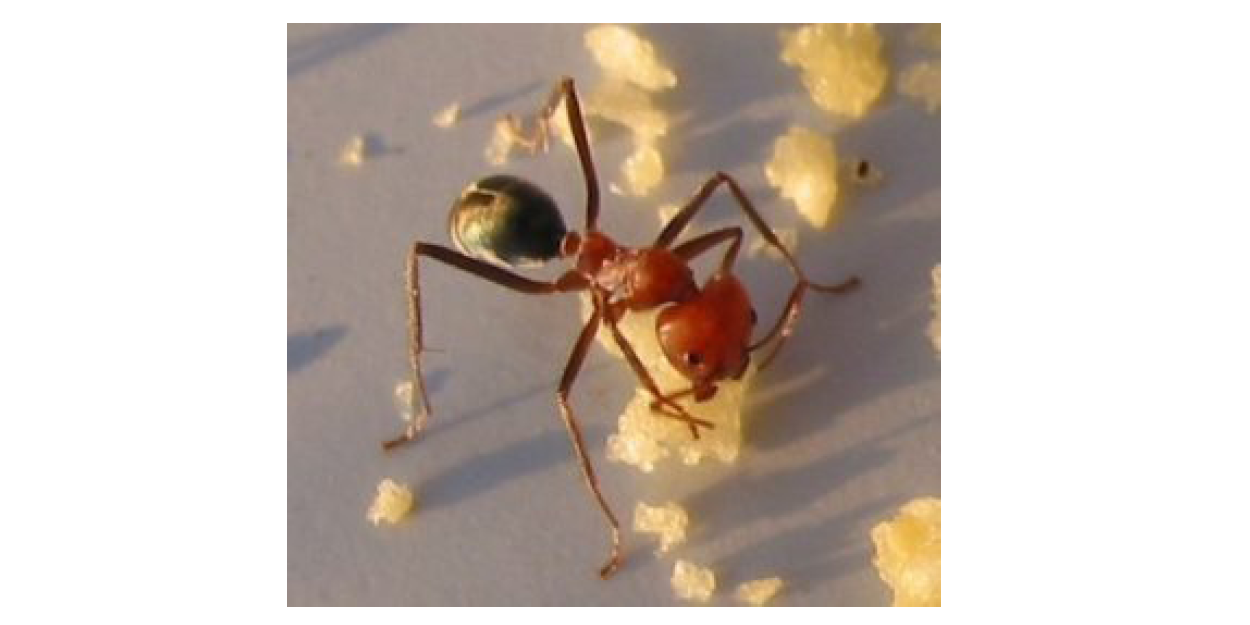
Research from the University of Western Australia has uncovered an interesting relationship between ants and termites.

Researchers from Berlin have discovered that termite soldiers perform what could be a vital role in protecting the colony from disease.