Learn about the benefits or remote rodent monitoring and why Ratsense provides pest managers with significant advantages over other systems.
Second-generation anticoagulant rodenticides (SGARs) have been widely used in Australian rodent programs because they can deliver rapid population knockdown where pressure is persistent and site conditions are complex. However, on March 10, the Australian Pesticides and Veterinary Medicines Authority (APVMA) certified that SGAR products should be declared restricted chemical products, resulting in tighter controls on their purchase and use.
Pest management businesses must adapt to the new regulations; open-ended SGAR use is no longer an option. Standard ‘bait and check’ programs form a good basis for rodent control programs, but unless executed well, are likely to be sub-optimal from a performance and cost point of view. A good rodent management program must now be built on evidence of pressure, nesting locations and movement patterns. Now, more than ever, it is necessary to monitor the site to show where rodent activity is originating and to determine whether existing control methods are actually reducing pressure. This is particularly the case in commercial accounts and food-handling premises, where rodent harbourages may be at some distance from the site.
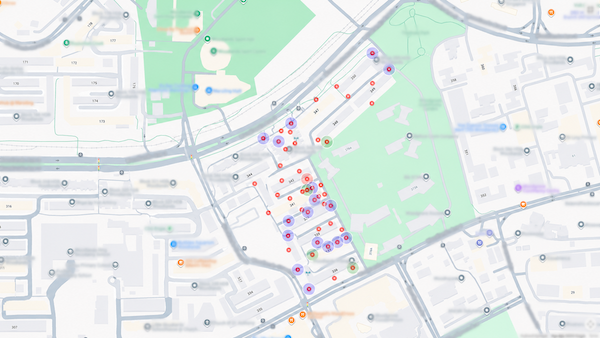
Monitoring can be done through structured manual checks or sensor-based systems such as Ratsense, an Australian-based rodent monitoring system with global reach. In Singapore, programs such as the Rodent Integrated Smart Engagement (RISE) use Ratsense for area-wide monitoring to quantify activity, map hotspots and movement corridors, and verify whether interventions are reducing pressure. This approach supports targeted, time-bound treatment and clearer reporting when routine rodenticide use (including SGARs) is increasingly constrained. A related initiative in the US is the Effective Urban Rodent Ecology Knowledge Alliance (EUREKA) in California, which is using Ratsense to help develop standardised data and digital/IoT tools to assess rodent pressure and evaluate alternatives at scale.
One of the key benefits of the Ratsense system is that it offers truly remote, 24/7 monitoring – unnecessary inspections and visits become a thing of the past. Other smart systems that use Wi-Fi still require visits to the site, which can result in higher operational costs while still not providing the 24/7 online visibility that clients are coming to expect.
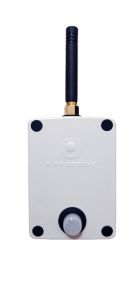
In a quick-service restaurant with an average of ten devices, remote monitoring gives pest managers a clearer view of where rodent activity is starting, which could be in bin storage areas, delivery points, plant rooms, storerooms and roof void access points. This helps technicians see activity between service visits, allowing them to focus their inspections and treatments where they are most needed, instead of checking every device in the same way each time. For the pest managers, fewer unnecessary site visits means lower travel and labour costs, and better use of technician time. It can also help protect profit margins by making service delivery more efficient.
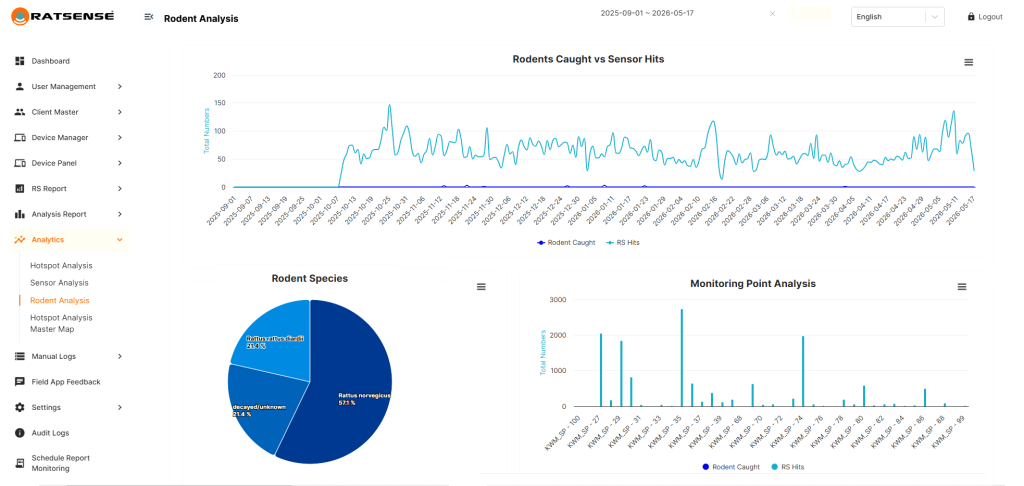
For clients, rodent activity reports give clients clear proof of the work being done and the results being achieved. Quicker identification of emerging issues means less disruption during busy trading periods. The Ratsense reporting tool clearly shows where pressure exists, what action was taken and how rodent activity is reducing over time.
It is clear that rodent management is moving from routine chemical maintenance toward measured, risk-managed programs with clearer decision logic and verification. As SGAR conditions tighten, providers that integrate exclusion and hygiene measures with monitoring-led targeting and time-bounded treatment will be better placed to deliver outcomes that withstand review.
Pest managers who would like help in discussing how best to implement a Ratsense rodent monitoring program – including SOP changes, technician decision points, monitoring options and client reporting – can reach out via the Ratsense website for more information.