Following the first detection of the H5N1 variant of bird fly in Australia, we’ve summarise the key information on bird flu and this variant, noting particular precautions pest managers should take.
Bird flu tends to hit the news when the infection spreads to chicken farms. The most recent bird flu outbreak in Australia was in 2025, when there was an outbreak in Victorian chicken farms. However, until now, there has been no bird flu outbreak resulting from the highly infectious H5N1 variant that has been causing significant issues overseas.
However, H5N1 now appears to be established in Australia. The first detections were in migratory sea birds in June 2026, but numerous cases have now been reported in Australian native birds, particularly the greater crested tern, but also in silver gulls, petrels and other seabirds. Most of the cases to date have been concentrated in South Australia and Victoria. However, to date, no cases have been detected in poultry farms.
With pest managers often in close contact with birds, either through direct management or simply through entering roof voids, it’s a good idea to recap the latest information on bird flu and what pest managers need to know.
What is bird flu?
Bird flu (avian influenza) is an influenza type A virus, which mainly infects birds. There is particular concern about the H5N1 variant as it is highly contagious. The biggest concern is its impact on poultry farms, particularly chicken, but also turkeys, geese and ducks. Mortality rates in poultry are around 50%. However, to combat outbreaks, culling is often required. Between 2005 and 2024, more that 633 million poultry birds were culled globally as a result of bird flu outbreaks, according to the World Organisation for Animal Health.
Which birds can get infected with bird flu?
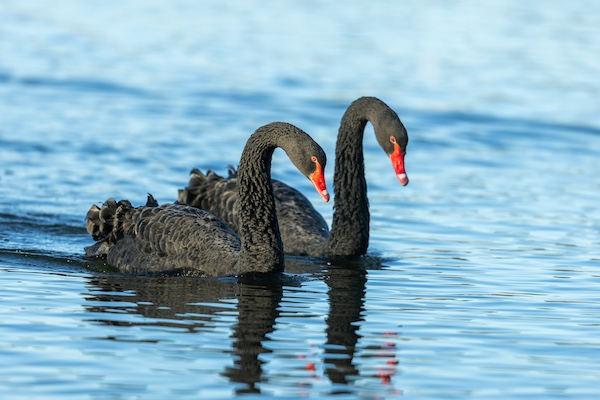
All birds can get infected by bird flu, although water birds such as ducks, geese, swans and gulls are highly susceptible. Some of these bird species tend to be migratory, which is how H5N1 arrived in Australia. Intense monitoring programs are in place for bird flu in black swan and migratory seabird populations in Australia. Predatory birds, scavengers and poultry also appear to be highly susceptible.
Can humans get bird flu?
Bird flu infections in humans are relatively rare and when it does occur, symptoms are often mild. However, infections involving the H5N1 strain are of particular concern. Although very rare – fewer than 1000 cases have been confirmed globally – it has a high mortality rate of nearly 50%. Infection is typically from exposure to infected birds; no cases of human-to-human transmission have been reported. However, the concern is, as with any viral outbreak, the possibility of the development of new variants that may be more effective in infecting people. The H5N1 virus has been confirmed as infecting over 100 mammal species, and in some cases its impact on infected populations has been significant, such as the death of over two thirds of south elephant seal pups on the Heard and McDonald Islands, near Antarctica.
What are the symptoms of bird flu?
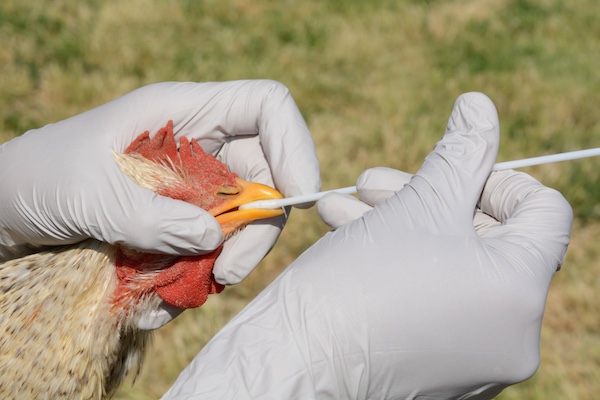
Wild birds tend to be more resilient to bird flu than poultry, although less so to the H5N1 variant. In terms of symptoms, obviously the appearance of dead birds should raise concerns, but there are other behaviours to watch out for. Lack of co-ordination is a key symptom – inability to stand, walk or fly, tremors, and swimming in circles are common symptoms. Unusual head and neck positions, eye discharge, puffing out feathers and a generally depressed appearance are other symptoms to be aware of.
In poultry, death can be quite rapid (within 24-48 hours). The key appearance changes in infected birds include swollen and discoloured head and eyes, respiratory problems, lethargy and ruffled feathers. Behavioural changes include a sudden drop in food and water intake, diarrhoea and changes in egg laying.
Symptoms in humans tend to appear between one and ten days after infection. The symptoms are much like normal influenza – fever, cough, runny nose, conjunctivitis, headache and fatigue. Sometimes patients can experience nausea, vomiting and diarrhoea.
How can you catch bird flu?
Humans can get infected with bird flu by coming into direct contact with infected birds or through their secretions, faeces and other bodily fluids. It is transferred through the respiratory system, so infection can occur by breathing in infected particles or by touching an infected animal or surface and then touching your nose, mouth or eyes.
Human-to-human transmission is rare and has not been confirmed for the H5N1 variant. It is safe to eat properly cooked meat and eggs from infected birds.
The human flu vaccination does not provide protection from bird flu.
What precautions should pest managers take?
Now that H5N1 bird flu has been detected in wild birds in Australia, it is likely to spread and it is only a matter of time before it impacts the poultry industry. The federal and state governments have activated a surveillance and readiness plan to prepare for this eventuality. For pest managers, it is simply good to be informed about the nature of bird flu and the H5N1 variant, which can also be helpful in discussing the issue with any concerned customers.
In terms of personal safety equipment, following best practice provides the necessary protection. In roof voids, overalls, gloves and quality, well-fitted respirators are essential. P100/P3 filters will capture at least 99.97% of airborne particles, including viruses. This provides protection against other roof void contaminants and rodent-related diseases, as well as bird-related diseases, including H5N1. Goggles or full-face respirators should also be worn to prevent potential entry of contaminants into the eyes.
For those carrying out bird management activities, the same precautions should be taken, certainly when handling nest materials or cleaning bird mess, but even when installing bird proofing materials – these areas will often be in close proximity to droppings and potentially contaminated dust. Remember, bird flu is not the only disease threat when working with birds, with psittacosis also a concern.