Bird Free Australia is now Bird Fend, and comes with the announcement of a new label registration for its optical bird gel.
Following Bird Free Australia rebranding as Bird Fend, the company has announced that its optical bird repellent gel is now approved for swallows. In addition to proven repellency on pigeons, Indian mynas and starlings, Bird Fend has APVMA approval for its optical gel dishes to be used on high-pressure sites where swallows are present. It is the only gel type product that repels swallows without allowing them to make physical contact with the gel.
According to Kane Millerd, who continues to lead the company under its new banner, the name change reflects how far the business has come since launching in Australia. “Bird Fend still stands for exactly what Bird Free Australia always stood for – a humane way to stop birds roosting and nesting where they’re not wanted, without harming them,” he said. “The new name gives us room to keep building on that, and the swallow approval is just the first step.”
Swallows have long been one of the more difficult birds for pest managers to deal with. Their mud nests are commonly built under eaves, in loading docks, and inside warehouses and sheds. As swallows are a protected species, any control method used around them must avoid harming the birds or their nests during nesting season, which runs approximately from August to March.
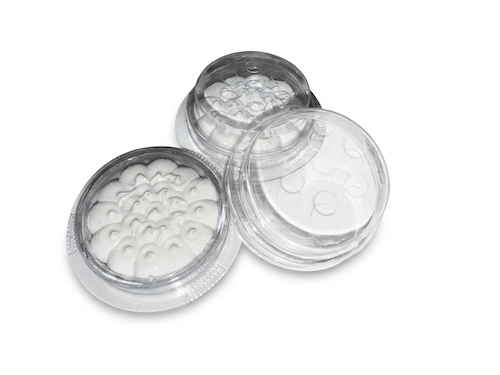
Although Bird Fend works as an optical repellent for most bird species, giving the appearance of flames to the bird, for swallows, it is the odour of Bird Fend that acts as the repellent. Bird Fend Optical Gel dishes have proven highly effective at deterring birds from resettling on treated surfaces, but that effectiveness has come with a hidden liability risk where swallows are involved. Because swallows are small enough to make direct contact with an uncovered dish, sites using standard gel risked exposing a protected species to the product itself, leaving pest managers and site owners open to potential liability. Bird Fend’s protective lid removes this risk entirely, allowing the gel’s deterrent effect to be deployed with confidence on mixed-species sites.
The gap was one Mr Millerd set out to close. “We kept getting calls about swallows, and we didn’t have an answer for them,” he said. “The gel itself already worked on the behaviour we needed it to work on. The issue was making sure a bird as small and agile as a swallow, built to squeeze into tight eaves and ledges to nest, never comes into direct contact with the gel itself.”
The answer was a purpose-built lid that sits over the standard Bird Fend dish. The lid shields the gel from direct contact while still allowing the smell of the gel to be released, which is offensive to the swallows. “It took a few versions to get the balance right,” Mr Millerd said. “We needed something that kept swallows off the gel completely, but didn’t block the effect that makes the product work in the first place.”
Bird Fend tested the lid across a number of sites known for persistent swallow activity, monitoring nesting behaviour, gel condition and bird welfare outcomes over an extended period. “We wanted real world data,” Mr Millerd said. “We recorded how swallows responded at every site, and made sure there was no contact with the gel at any point during testing.” The resulting data was compiled and submitted to the APVMA for assessment, leading to the label extension now permitting use around swallows.
Mr Millerd said the approach is consistent with the broader philosophy behind the product. “Bird Fend has never been about harming birds or blocking them out with a physical barrier,” he said. “It’s about changing their behaviour, so they choose to nest somewhere else. The lid just extends that same idea to a species we couldn’t previously protect against direct contact.”
Brian King, owner and operator of Crisis Pest Management Services on the Gold Coast, shared his experience of using Bird Fend.
“As a pest technician, I’ve found Bird Fend Optical Gel to be a very useful bird deterrent solution. It’s easy to install, discreet once in place, and provides a practical option for areas where traditional bird control methods may not be suitable.
“The optical deterrent effect helps discourage birds from settling and roosting in treated areas, making it particularly useful for protecting buildings, ledges, balconies and other problem locations. From a technician’s perspective, I appreciate that it is straightforward to apply and can be incorporated into an overall bird management program. It’s a good non-lethal deterrent option and has been a valuable addition to our bird control toolkit.”
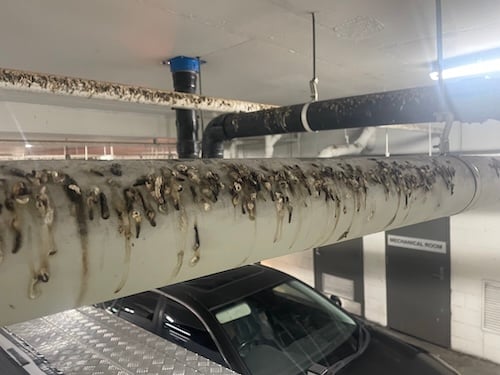
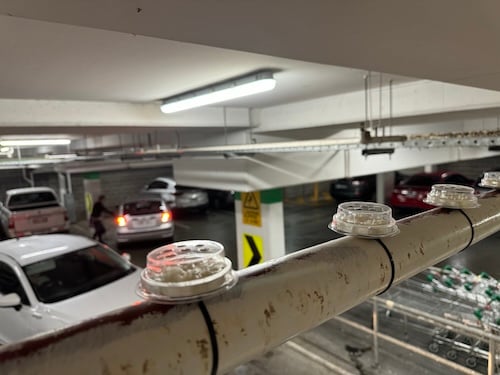
Pest managers who have used Bird Fend on mixed species sites say the swallow approval closes a long-standing gap in their toolkit. Bird Fend Optical Gel remains available in standard and magnetic dish versions, with the standard dishes now coming with the swallow-approved lids. As with all bird gel products, surfaces should be cleared of existing nests, droppings and other organic debris and cleaned thoroughly with a biocidal cleaner, such as those offered by Bird Fend, before installation.
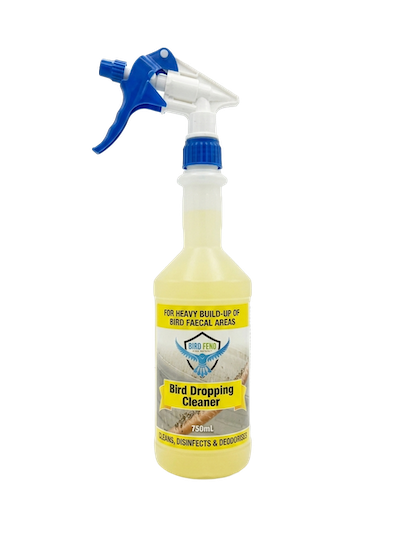
Bird Fend products are available through Agserv or directly from the Bird Fend website.